Complete Audio Format Conversion Guide - 2026 Edition
Have songs that won't play on your iPhone? Music files too big for your phone's storage? Or podcasts that your car stereo can't read? Audio format conversion solves these problems. It's simply changing your music or audio files from one type (like WAV) to another (like MP3) so they work on any device you own.
This guide is written for regular people, not audio engineers. If you can play music on your phone, you can understand this. We'll explain everything step-by-step in everyday language.
Understanding Audio Formats (The Easy Way)
There are basically two types of audio files - think of them like regular photos vs. professional photos:
- Smaller Files (MP3, AAC, M4A) - Like regular phone photos. They're smaller and work everywhere, but some quality is sacrificed. Perfect for phones, cars, and everyday listening. Most people use these.
- Bigger Files (FLAC, WAV) - Like professional camera photos. They're huge but perfect quality. Use these if you're a music enthusiast with good speakers or need to edit audio.
Popular Audio Formats Comparison
| Format | Type | Quality | File Size | Best Use Case | Compatibility |
|---|---|---|---|---|---|
| MP3 | Lossy | Good-Very Good | Small (1MB/min at 128kbps) | Music libraries, podcasts, streaming | ⭐⭐⭐⭐⭐ Universal |
| AAC | Lossy | Better than MP3 | Small (same as MP3) | Apple devices, streaming, video | ⭐⭐⭐⭐⭐ Excellent |
| FLAC | Lossless | Perfect | Large (30-50% of WAV) | Music archiving, audiophile listening | ⭐⭐⭐⭐ Most players |
| WAV | Lossless | Perfect | Very Large (10MB/min) | Professional audio, editing, mastering | ⭐⭐⭐⭐⭐ Universal |
| M4A | Lossy/Lossless | Good-Perfect | Variable | Apple ecosystem, iTunes, podcasts | ⭐⭐⭐⭐ Apple-focused |
| OGG | Lossy | Very Good | Small | Gaming, open-source projects, streaming | ⭐⭐⭐ Most modern players |
| ALAC | Lossless | Perfect | Large (similar to FLAC) | Apple lossless music, iOS devices | ⭐⭐⭐ Apple ecosystem |
MP3: The Universal Standard
MP3 (MPEG-1 Audio Layer 3) has been the dominant audio format for over 25 years. Despite being technically inferior to newer formats, its universal compatibility keeps it relevant in 2026.
When to use MP3:
- Maximum compatibility across all devices and platforms
- Building portable music libraries for phones and MP3 players
- Sharing music with others (everyone can play MP3)
- File size is important (good quality at reasonable sizes)
- Creating podcasts for broad distribution
MP3 Bitrate Guide:
- 128 kbps - Acceptable for spoken word, podcasts. Not recommended for music.
- 192 kbps - Good quality for casual listening. Noticeable artifacts on good headphones.
- 256 kbps - Very good quality. Hard to distinguish from lossless for most people.
- 320 kbps - Highest MP3 quality. Transparent for most listeners on most equipment.
Common MP3 conversions:
- FLAC to MP3 - Convert lossless archives to portable format
- WAV to MP3 - Reduce file size of uncompressed audio
- M4A to MP3 - Convert iTunes/Apple music for universal playback
- OGG to MP3 - Convert gaming/streaming audio
AAC: The Modern Alternative
AAC (Advanced Audio Coding) is technically superior to MP3, offering better quality at the same bitrate. It's the default format for Apple Music, YouTube, and most streaming services.
AAC vs MP3 Quality Comparison:
| Bitrate | AAC Quality | Equivalent MP3 | Recommendation |
|---|---|---|---|
| 128 kbps | Good | ~160 kbps MP3 | Streaming, mobile |
| 192 kbps | Very Good | ~256 kbps MP3 | Music libraries |
| 256 kbps | Excellent | ~320 kbps MP3 | High-quality music |
| 320 kbps | Transparent | Better than MP3 | Audiophile listening |
When to use AAC:
- Apple ecosystem (iPhone, iPad, Mac, Apple Music)
- Uploading audio to YouTube or video platforms
- You want better quality than MP3 at same file size
- Modern devices (all phones/tablets support AAC)
AAC conversion options:
- MP3 to AAC/M4A - Upgrade to better codec
- FLAC to AAC/M4A - Lossless to Apple format
- WAV to AAC/M4A - Compress uncompressed audio
FLAC: The Lossless Champion
FLAC (Free Lossless Audio Codec) is the go-to format for archiving music in perfect quality. It compresses audio to 40-60% of WAV size without any quality loss.
Why choose FLAC:
- Perfect Quality: Bit-for-bit identical to original CD or master recording
- Efficient Compression: 30-50% smaller than WAV while remaining lossless
- Metadata Support: Extensive tagging for albums, artwork, lyrics
- Open Source: Free, no licensing fees, widely supported
- Future-Proof: Convert to any lossy format later without quality loss
When to use FLAC:
- Archiving your CD collection or vinyl rips
- Building a high-quality music library for home listening
- You have good audio equipment (speakers, headphones, DAC)
- Storage space isn't a critical concern
- You want to preserve maximum quality for future use
FLAC conversion scenarios:
- WAV to FLAC - Compress without quality loss (50-60% size reduction)
- FLAC to WAV - Decompress for audio editing software
- FLAC to MP3 - Create portable copies from lossless masters
- ALAC to FLAC - Convert Apple lossless to universal lossless
WAV: The Professional Standard
WAV (Waveform Audio File Format) is the uncompressed audio format used in professional audio production. It offers perfect quality but creates very large files.
When to use WAV:
- Professional audio editing and production
- Recording music in DAWs (Digital Audio Workstations)
- Mastering and audio engineering
- Broadcasting and professional radio
- When you need absolute compatibility (everyone supports WAV)
WAV file size reference:
| Quality | Sample Rate | Bit Depth | File Size (per minute) |
|---|---|---|---|
| CD Quality | 44.1 kHz | 16-bit | ~10 MB |
| Studio Quality | 48 kHz | 24-bit | ~17 MB |
| High-Res Audio | 96 kHz | 24-bit | ~34 MB |
| Ultra High-Res | 192 kHz | 24-bit | ~69 MB |
WAV conversions:
- MP3 to WAV - Decompress for editing (note: doesn't improve quality)
- FLAC to WAV - Decompress lossless audio for DAW compatibility
- WAV to FLAC - Compress finished masters for storage
- WAV to MP3 - Create distribution copies
Audio Conversion Best Practices
1. Never Convert Lossy to Lossy
Converting MP3 to AAC or vice versa compounds quality loss. Each lossy conversion removes more audio data. Always convert from your highest quality source.
2. Use Appropriate Bitrates
- Speech/Podcasts: 64-128 kbps (mono) is sufficient
- Music (casual): 192-256 kbps for good quality
- Music (high quality): 256-320 kbps for transparent quality
- Archiving: Use FLAC or WAV, not lossy formats
3. Maintain a Lossless Master Library
Keep your music collection in FLAC or WAV. This lets you create optimized copies for different devices without quality loss. A typical strategy:
- Master archive: FLAC files on external drive or NAS
- Home listening: FLAC or high-bitrate AAC/MP3
- Mobile devices: 256 kbps AAC or 320 kbps MP3
- Car/Bluetooth: 192 kbps is usually sufficient
4. Consider Your Playback Equipment
| Equipment | Recommended Format | Reasoning |
|---|---|---|
| Budget earbuds | 192 kbps MP3/AAC | Hardware limitations mask quality differences |
| Quality headphones | 256-320 kbps MP3/AAC | Can hear compression artifacts at lower bitrates |
| Home stereo system | FLAC or 320 kbps | Quality speakers reveal compression artifacts |
| Audiophile setup | FLAC or high-res WAV | Maximum quality for revealing equipment |
| Car audio | 192-256 kbps | Road noise masks subtle quality differences |
Audio Conversion for Specific Use Cases
Building a Music Library for iPhone/iPad:
- Format: AAC (M4A) at 256 kbps
- Why: Native iOS format, excellent quality, reasonable file size
- Tool: FLAC to M4A Converter
Creating Podcasts:
- Format: MP3 at 96-128 kbps (mono) or 128-192 kbps (stereo)
- Why: Small file sizes for streaming, universal compatibility
- Tool: WAV to MP3 Converter
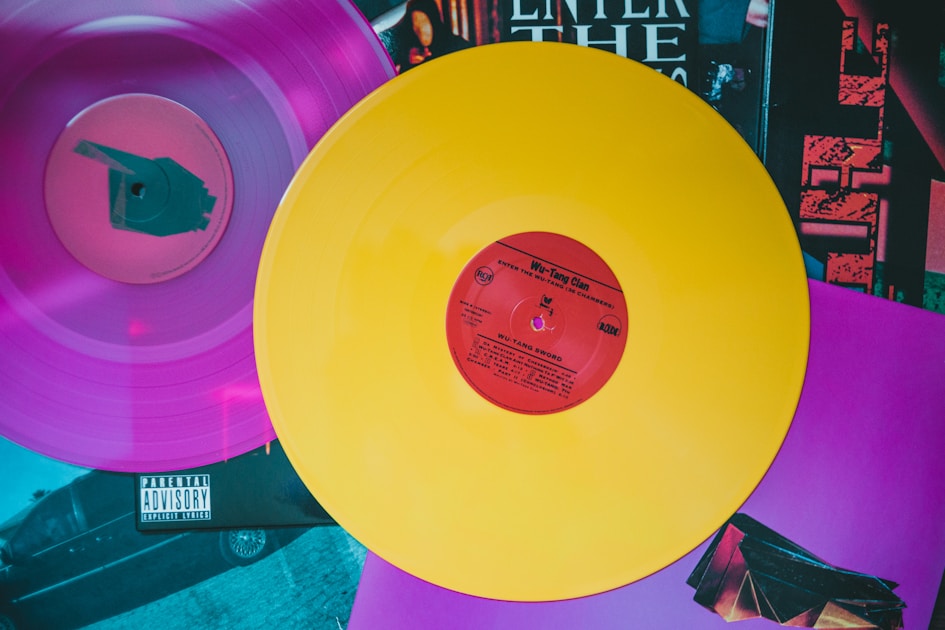
Archiving Vinyl Records:
- Format: FLAC at 96 kHz / 24-bit
- Why: Captures full analog warmth, lossless compression
- Tool: WAV to FLAC Converter
Preparing Audio for Video Editing:
- Format: WAV at 48 kHz / 16-bit or AAC at 256 kbps
- Why: Matches video standard, widely supported by editing software
- Tool: MP3 to WAV Converter
Streaming on Spotify/Apple Music:
- Upload Format: FLAC or WAV (they handle conversion)
- Why: Let platforms optimize for their streaming codecs
- Note: They convert to 256-320 kbps AAC or Ogg Vorbis
Understanding Sample Rate and Bit Depth
Sample Rate (measured in Hz/kHz) determines how many audio snapshots are taken per second:
- 44.1 kHz: CD quality, captures frequencies up to 22 kHz (above human hearing)
- 48 kHz: Standard for video, professional audio, broadcasting
- 96 kHz: High-resolution audio, used in professional recording
- 192 kHz: Ultra-high-res, debated benefit for listening (great for editing)
Bit Depth determines dynamic range (difference between quietest and loudest sounds):
- 16-bit: 96 dB dynamic range (CD quality, sufficient for listening)
- 24-bit: 144 dB dynamic range (professional recording, more headroom for editing)
Recommendation: 44.1 kHz / 16-bit is perfect for music listening. Higher settings are for professional production and don't improve listening experience noticeably.
Common Audio Conversion Mistakes to Avoid
- Converting MP3 to FLAC - Doesn't improve quality, just wastes space
- Using Too Low Bitrate - 128 kbps MP3 for music sounds noticeably poor
- Multiple Lossy Conversions - Each conversion degrades quality further
- Upsampling Audio - Converting 44.1 kHz to 96 kHz doesn't add information
- Deleting Source Files - Always keep your highest quality version
Conclusion
Audio format conversion in 2026 comes down to balancing quality, compatibility, and storage. For archiving, use FLAC. For everyday listening on modern devices, use AAC at 256 kbps. For maximum compatibility, use MP3 at 320 kbps. Understanding these formats ensures your audio sounds great on any device.
Start converting your audio:
- Universal Format: FLAC to MP3 | WAV to MP3
- Apple Devices: FLAC to M4A (AAC) | MP3 to M4A
- Lossless Compression: WAV to FLAC
- All Formats: 300+ Audio Conversion Options