
Complete Guide to Cryptocurrency Conversion
Cryptocurrency has evolved from a niche technology to a mainstream financial asset. Understanding how to convert between cryptocurrencies and fiat currencies is essential for anyone entering this space.
What is Cryptocurrency?
Cryptocurrency is digital or virtual currency secured by cryptography and operating on blockchain technology. Unlike traditional currencies, cryptocurrencies are:
- Decentralized: Not controlled by any government or central authority
- Transparent: All transactions recorded on public blockchain
- Secure: Cryptographic protection makes counterfeiting nearly impossible
- Borderless: Can be sent anywhere in the world instantly
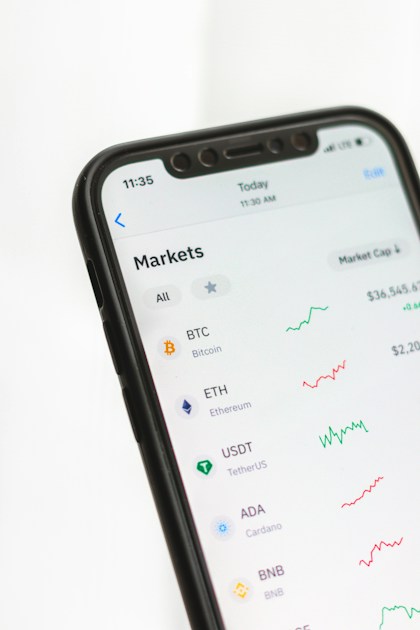
Top 10 Cryptocurrencies by Market Cap (2025)
- Bitcoin (BTC): The original cryptocurrency, "digital gold"
- Ethereum (ETH): Smart contract platform, powers DeFi
- Tether (USDT): Stablecoin pegged to USD
- BNB (Binance Coin): Exchange token for Binance
- Solana (SOL): High-speed blockchain for apps
- XRP (Ripple): Focused on cross-border payments
- USDC (USD Coin): Regulated stablecoin
- Cardano (ADA): Research-driven blockchain platform
- Avalanche (AVAX): Fast, low-cost smart contracts
- Dogecoin (DOGE): Community-driven meme coin
How Cryptocurrency Conversion Works
Converting cryptocurrency involves exchanging one digital asset for another or for fiat currency:
- Crypto-to-Crypto: BTC → ETH, ETH → SOL
- Crypto-to-Fiat: BTC → USD, ETH → EUR
- Fiat-to-Crypto: USD → BTC, EUR → ETH
Types of Cryptocurrency Exchanges
1. Centralized Exchanges (CEX)
User-friendly platforms operated by companies:
- Examples: Coinbase, Binance, Kraken
- Pros: Easy to use, high liquidity, customer support
- Cons: Require KYC verification, custodial (they hold your keys)
- Fees: 0.1-0.5% per trade
2. Decentralized Exchanges (DEX)
Peer-to-peer trading without intermediaries:
- Examples: Uniswap, PancakeSwap, SushiSwap
- Pros: No KYC, non-custodial (you control keys), censorship-resistant
- Cons: Steeper learning curve, lower liquidity for some pairs
- Fees: 0.3% trade fee + blockchain gas fees
3. Peer-to-Peer (P2P) Platforms
Direct trading between individuals:
- Examples: LocalBitcoins, Paxful
- Pros: Privacy, multiple payment methods
- Cons: Higher fees, scam risk, slower
- Fees: 1-5% depending on payment method
Step-by-Step: How to Convert Cryptocurrency
Method 1: Using a Centralized Exchange (Beginner-Friendly)
- Create Account: Sign up on Coinbase, Binance, or Kraken
- Complete KYC: Verify identity with government ID
- Deposit Funds: Bank transfer or buy crypto with card
- Navigate to Trade: Find the trading pair (e.g., BTC/USD)
- Execute Trade: Choose market or limit order
- Withdraw: Send to personal wallet or bank account
Method 2: Using a Decentralized Exchange (Advanced)
- Get a Wallet: MetaMask, Trust Wallet, or hardware wallet
- Fund Wallet: Purchase crypto on CEX, send to wallet
- Connect to DEX: Visit Uniswap, click "Connect Wallet"
- Select Pair: Choose tokens to swap (ETH → USDC)
- Approve Transaction: Confirm in wallet, pay gas fee
- Receive Tokens: New tokens appear in wallet instantly
Understanding Cryptocurrency Fees
Trading Fees
- Maker Fee: For limit orders that add liquidity (0.05-0.25%)
- Taker Fee: For market orders that remove liquidity (0.1-0.5%)
- Spread: Difference between buy and sell price (0.5-2%)
Network Fees (Gas)
- Bitcoin: $1-20 per transaction (varies with network congestion)
- Ethereum: $5-100 (higher during network congestion)
- Solana: $0.00025 per transaction
- Polygon: $0.01-0.50 per transaction
Withdrawal Fees
- CEX to external wallet: $5-25 (varies by cryptocurrency)
- DEX: Only pay network gas fees
Security Best Practices
Wallet Security
- Hardware Wallets: Ledger, Trezor for large amounts ($1,000+)
- Software Wallets: MetaMask, Trust Wallet for daily use
- Never Share Private Keys: Anyone with keys controls your funds
- Enable 2FA: Two-factor authentication on all exchanges
- Whitelist Addresses: Prevent unauthorized withdrawals
Avoid Common Scams
- Phishing Sites: Always verify URL before entering credentials
- Fake Support: Exchanges never ask for private keys
- Ponzi Schemes: "Guaranteed returns" are always scams
- Rug Pulls: Research new tokens before investing
Tax Implications
In most countries, cryptocurrency is taxable:
- Capital Gains: Profit from selling crypto is taxable
- Short-term vs Long-term: Holding > 1 year often gets lower rate
- Trading is Taxable: Every crypto-to-crypto trade triggers tax event
- Keep Records: Track all transactions for tax reporting
- Use Tax Software: CoinTracker, Koinly automate calculations
Stablecoins: The Bridge Between Crypto and Fiat
Stablecoins maintain a 1:1 peg with fiat currencies:
- USDT (Tether): Largest stablecoin, $1 per token
- USDC (USD Coin): Regulated, fully backed by reserves
- DAI: Decentralized, backed by crypto collateral
- BUSD (Binance USD): Regulated by NYDFS
Use Case: Convert volatile crypto to stablecoins to preserve value without exiting to fiat.
Future of Cryptocurrency Conversion
- Cross-Chain Bridges: Seamless conversion between blockchains
- Central Bank Digital Currencies (CBDCs): Government-backed digital currencies
- Layer 2 Solutions: Lightning Network, Optimism reduce fees
- DeFi Integration: Automatic conversions within decentralized apps
Conclusion
Cryptocurrency conversion is becoming easier and more accessible. Whether you're trading Bitcoin, exploring DeFi, or diversifying your portfolio, understanding the basics of exchanges, fees, and security is crucial.
Check live cryptocurrency prices: Konvertibly supports 27+ cryptocurrencies